
10 Tips for a Happy Cat
Stress can show up in many different ways in cats. Some cats withdraw and show more anxious behaviour, start spraying or urinating outside the litter box, lick their belly bald, or become aggressive towards other cats or their owner, and so on.
Regardless of how the cat behaves, the causes of the stress are often the same. With our basic tips, we reduce the main causes of stress in the cat's environment, which we know increase the chance of unwanted behaviour and behavioural problems in cats.
Cats are masters at hiding pain. That's why it's very important to see the vet in time and check whether unwanted behaviour isn't caused by a medical problem.
Ensure a safe and predictable environment, because your cat, as a solitary hunter, must constantly stay on guard, both to catch prey and to avoid larger predators that might be after her.
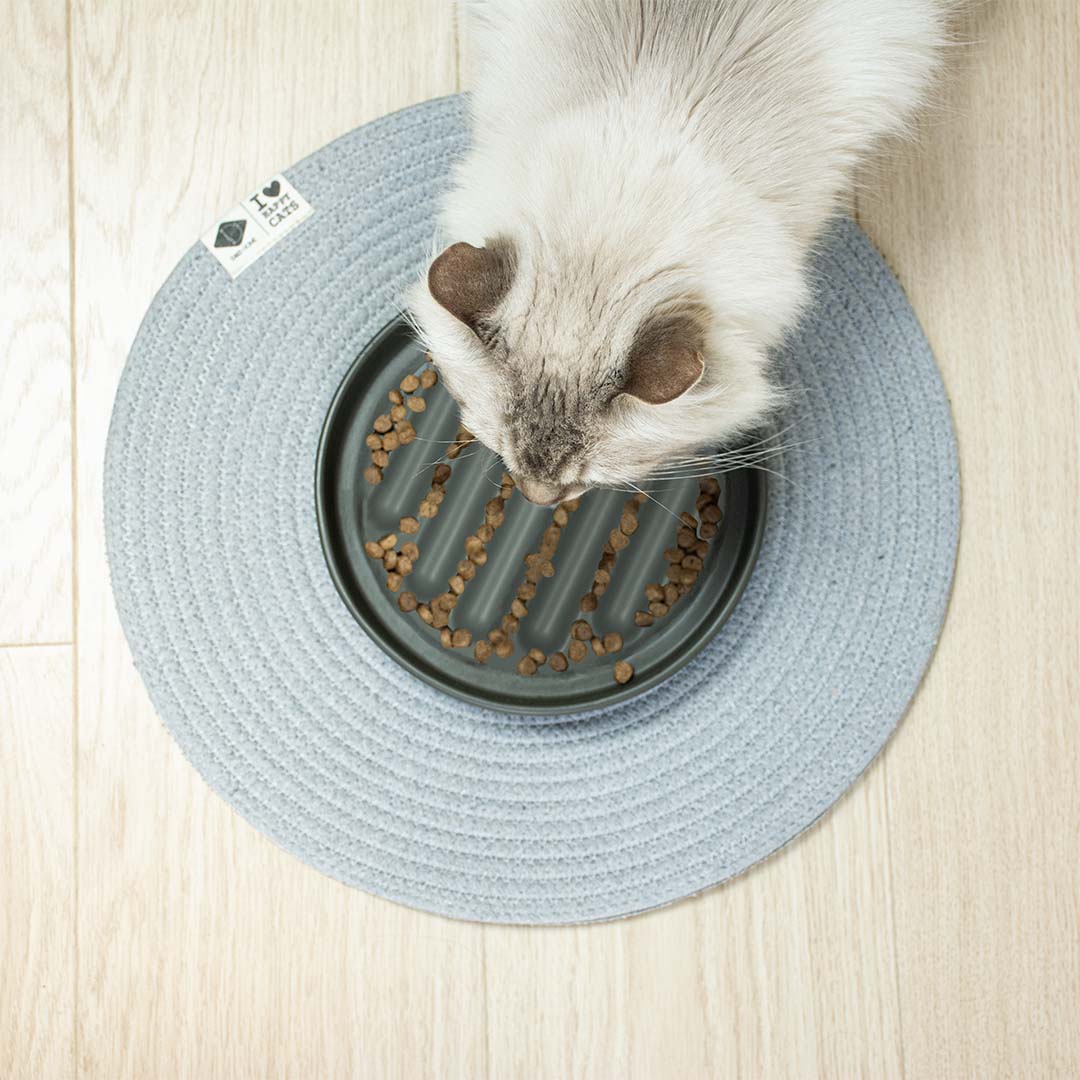
3. Eating and Drinking the Right Way
It's important to offer food and water in a natural and safe way, otherwise this becomes a constant stress factor in the house, which can cause cats to vomit and take in too little fluid, which is harmful to their wellbeing and health.
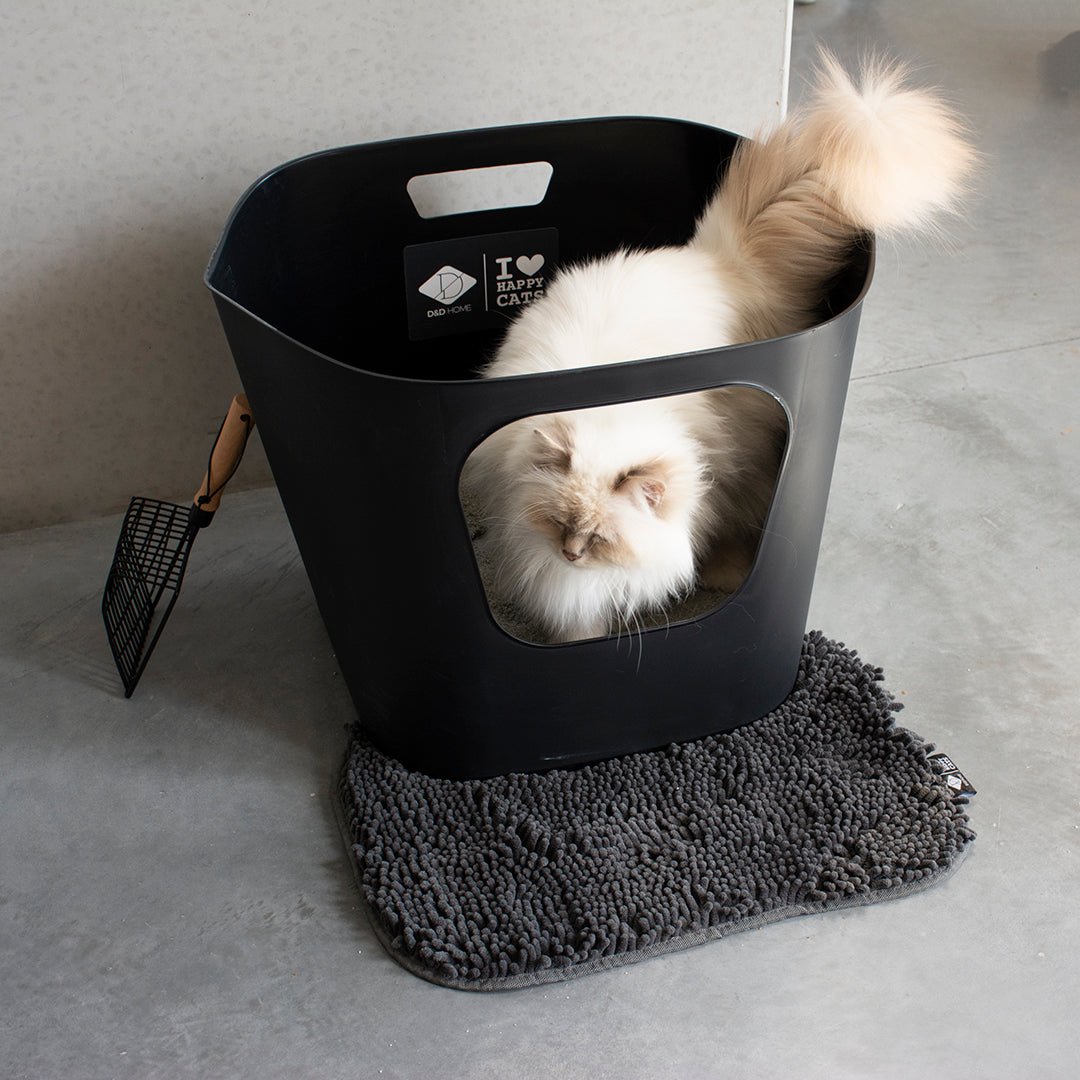
When litter boxes aren't set up properly, this can increase stress in cats, which can result in a cat choosing other spots in the house to urinate, such as the bed, bathroom mats, hidden corners in the garage, or the sofa. Optimising litter boxes is therefore very important to avoid house-soiling in cats.
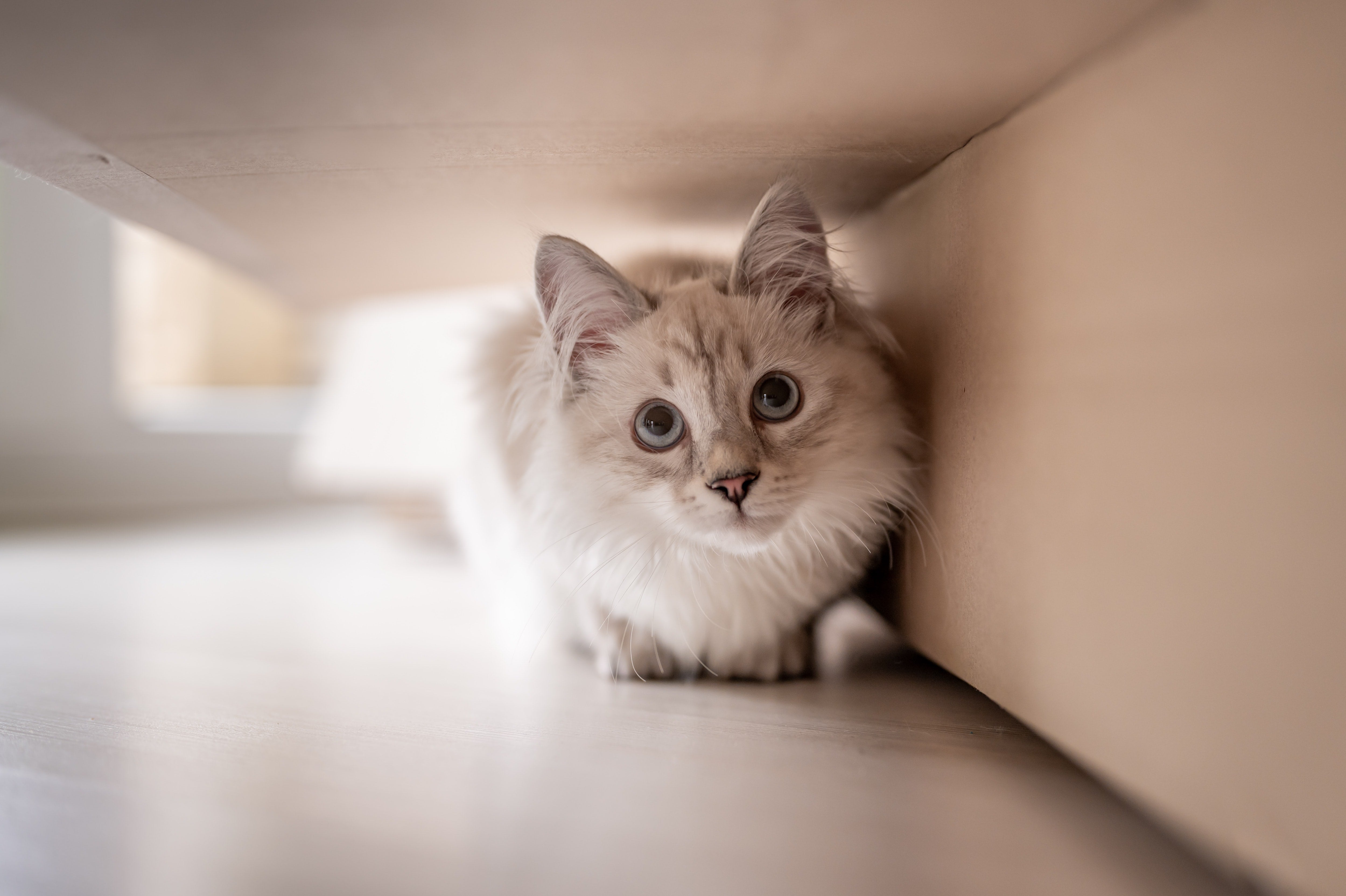
It's important that we make sure our cats can cope well with stressful situations in their environment. We do this by offering things in their environment that they can reliably use when it all becomes a bit too much for them.
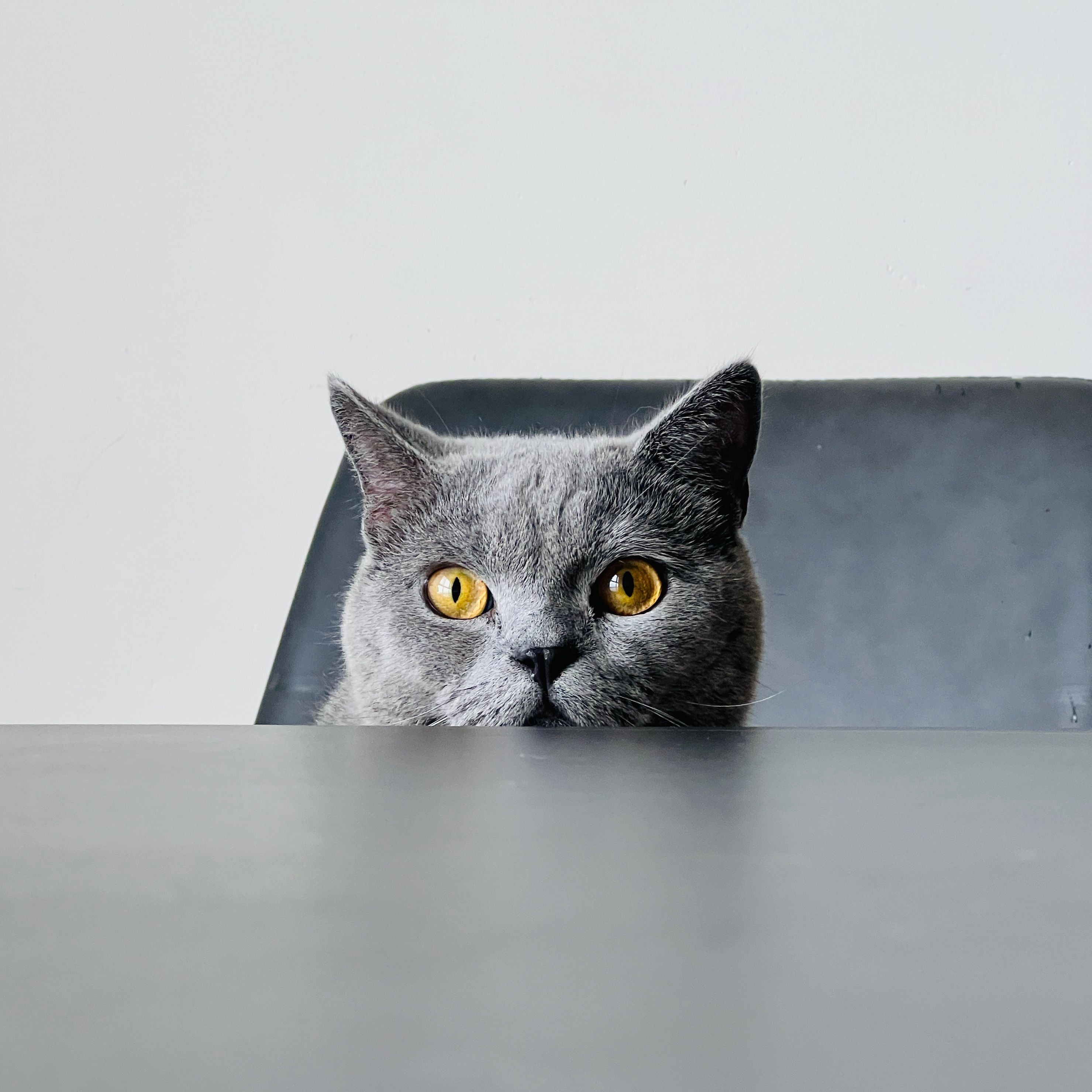
6. Understanding Your Cat's Native Language
By ignoring subtle stress behaviours and rewarding happy behaviour with attention, you have a big effect on your cat's level of confidence. We notice, for example, that many owners have never paid attention to their cat's whiskers, even though they tell us how the cat is feeling.

Cats don't always like being petted and picked up, and kittens need to learn from a young age how to deal with people and being touched, otherwise this can become a potential stress factor later on.
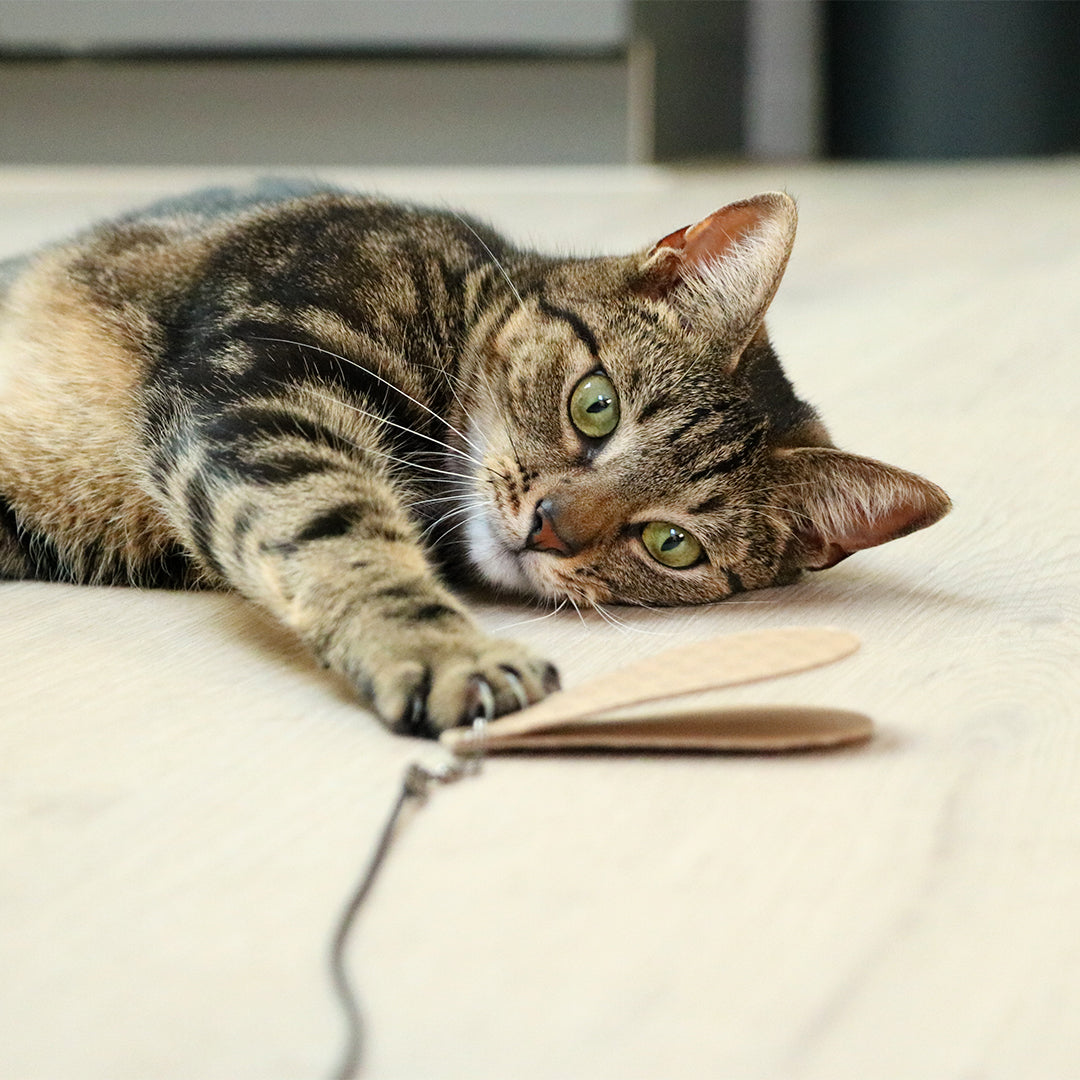
It's important to stimulate this hunting instinct every day, this provides mental and physical enrichment that's essential for the cat's wellbeing and for preventing unwanted behaviour such as hunting aggression and house-soiling.
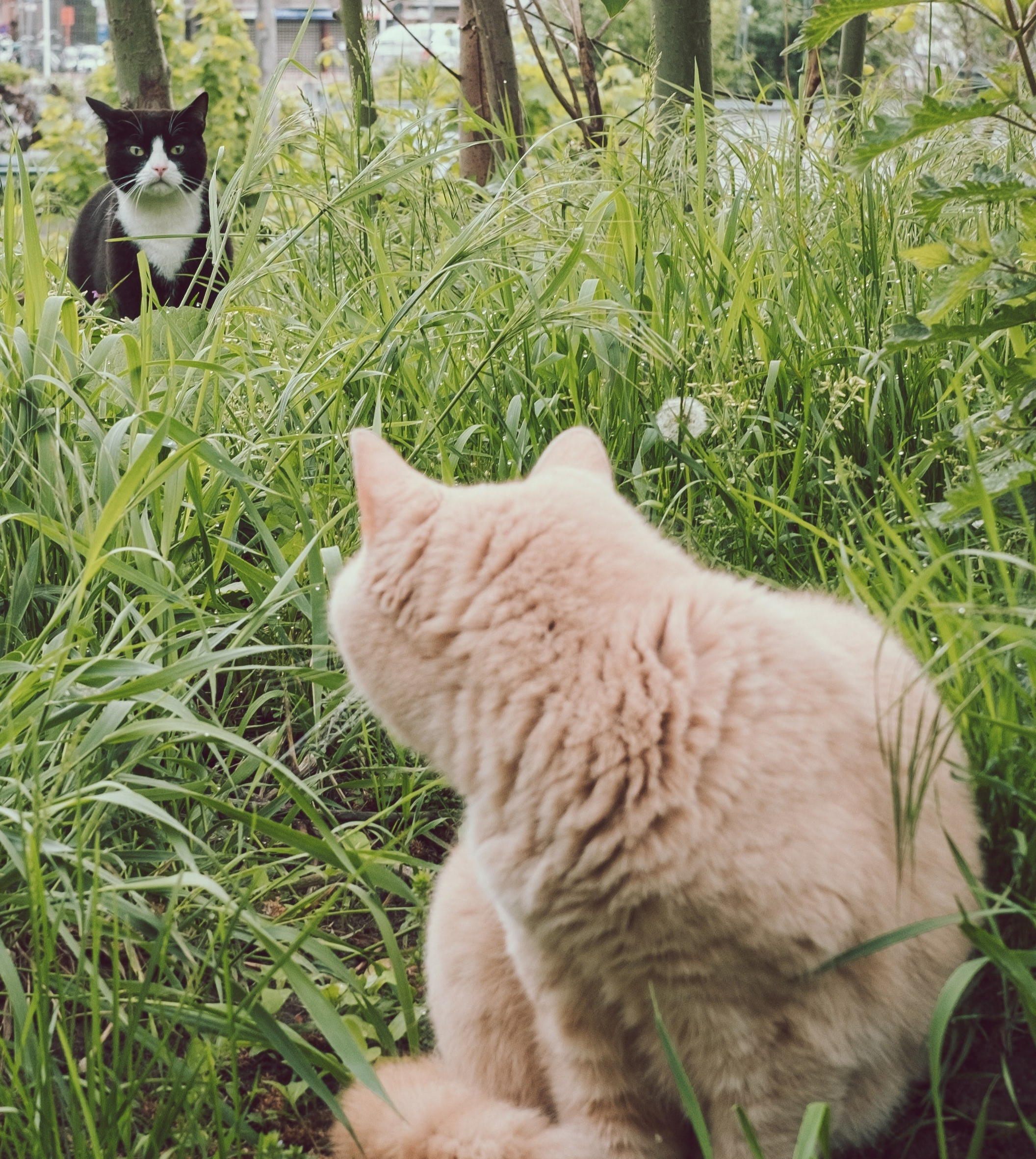
In the wild, cats don't need each other to survive and haven't evolved as group animals. Cats meeting for the first time are natural enemies. They have sharp teeth and claws that are more than enough to injure their opponent life-threateningly.
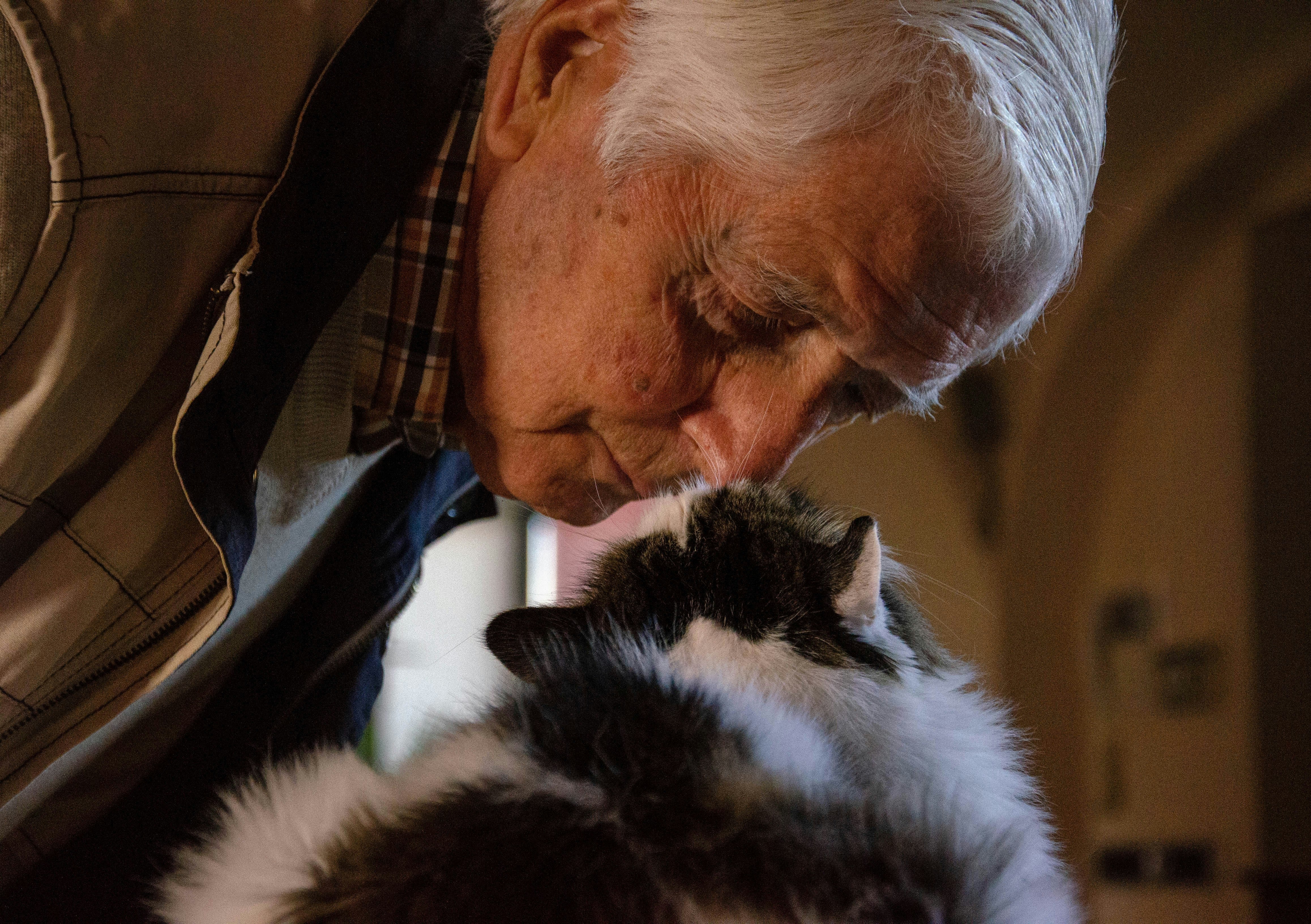
10. Becoming Best Friends With Your Cat
We often show our love in a way that cats don't always enjoy. Our body language is simply different from theirs. By adjusting your own behaviour a little, you become predictable and safe for your cat - and she loves that!
